Nutrition and Lifestyle
#10 The Hidden Link Between Your Gut and Weight Gain
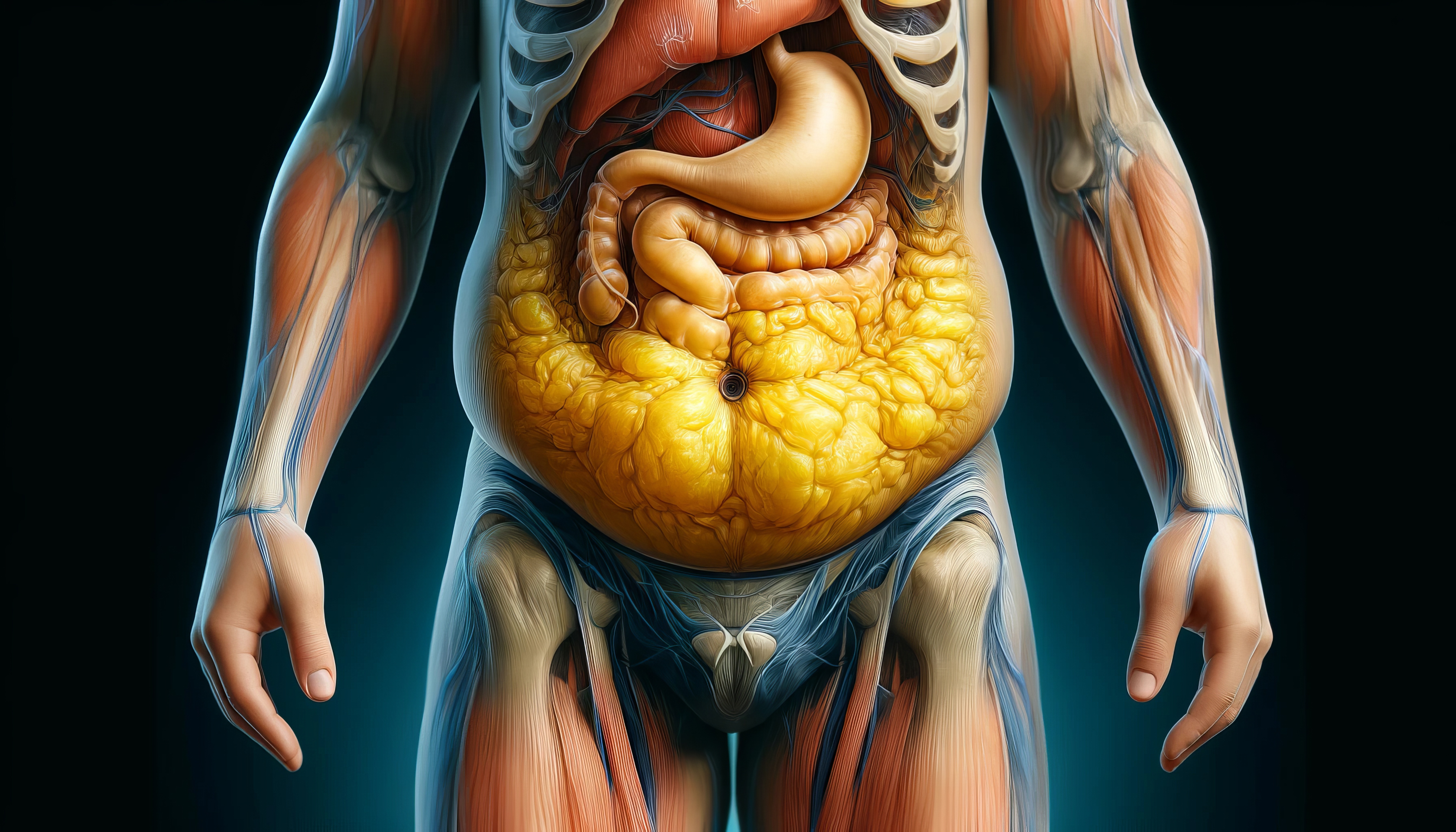
When it comes to weight management, most people focus on diet and exercise—but did you know your gut health plays a critical role? Emerging research reveals that an imbalanced gut microbiota, known as dysbiosis, can trigger a cascade of metabolic issues. At the centre of this is lipopolysaccharides (LPS), toxic molecules produced by certain gut bacteria. When LPS escapes into your bloodstream, it can fuel inflammation, disrupt metabolism, and even cause fat cells to swell to twice their size. Understanding this gut-metabolism connection is key to achieving lasting results in your weight loss journey.
How Dysbiosis and Lipopolysaccharides Contribute to Weight Gain
In recent years, our understanding of gut health has expanded significantly. One area gaining attention is the role of gut dysbiosis—an imbalance in gut microbiota—and its connection to weight gain. A key player in this process is lipopolysaccharides (LPS), molecules derived from certain bacteria in the gut. Emerging research highlights how these molecules may drive inflammation, metabolic disruption, and even increased fat storage. Let’s explore how this process unfolds and what it means for your health.
What Are Lipopolysaccharides?
Lipopolysaccharides are components of the outer membrane of gram-negative bacteria, a type commonly found in the gut. In a healthy gut, the intestinal lining prevents LPS from entering the bloodstream. However, when the gut barrier is compromised—often due to dysbiosis—LPS can "leak" into circulation, triggering a cascade of inflammatory responses.
Gut Dysbiosis and Increased LPS Production
Gut dysbiosis occurs when there’s an imbalance in the composition of gut bacteria. Factors such as a diet high in processed foods, low in fibre, or the overuse of antibiotics can disrupt this balance. Dysbiosis often leads to an overgrowth of gram-negative bacteria, which produce more LPS.
In this state, the gut lining becomes more permeable, a condition sometimes referred to as "leaky gut." This allows LPS to pass through the intestinal barrier and enter the bloodstream, where it can wreak havoc on metabolic health.
How LPS Drives Weight Gain
- Chronic Inflammation
Once in the bloodstream, LPS activates the immune system, leading to chronic low-grade inflammation. This inflammation interferes with normal metabolic processes, making it harder for your body to regulate blood sugar levels and store energy efficiently. - Insulin Resistance
Inflammation caused by LPS can disrupt insulin signalling, leading to insulin resistance. When cells become resistant to insulin, the body stores more glucose as fat, particularly in adipose tissue around the abdomen. -
Increased Fat Storage and Adipocyte Swelling
LPS doesn’t just promote fat storage; it can also infiltrate adipose tissue directly. Once there, it stimulates the release of inflammatory cytokines, which signal fat cells (adipocytes) to store more triglycerides. This leads to hypertrophy, where fat cells swell to two to three times their normal size. Over time, these enlarged fat cells contribute to systemic inflammation and further metabolic dysfunction, creating a vicious cycle of weight gain and inflammation. - Appetite Dysregulation
Dysbiosis and LPS are also linked to changes in gut hormones like leptin and ghrelin, which regulate hunger and satiety. An imbalance in these hormones can lead to overeating and cravings for energy-dense foods.
Steps to Reduce LPS and Support Healthy Weight Management
- Focus on a Gut-Friendly Diet
Incorporate fibre-rich foods, such as vegetables, fruits, legumes, and whole grains, to feed beneficial gut bacteria. Avoid excessive consumption of refined sugars, processed foods, and trans fats, which can disrupt gut microbiota balance. -
Ensure Adequate Protein Intake
Protein is essential for repairing and maintaining the integrity of the gut lining. High-quality sources like lean meats, fish, eggs, legumes, and plant-based proteins provide the building blocks your gut needs to stay strong and resilient against LPS leakage. - Increase Anti-Inflammatory Foods
Include omega-3 fatty acids (found in fatty fish, flaxseeds, and walnuts), polyphenols (from green tea, dark chocolate, and berries), and spices like turmeric and ginger to help counteract inflammation. - Consider Probiotics and Prebiotics
Probiotic-rich foods, such as yogurt, kefir, and fermented vegetables, can help restore gut balance. Prebiotic fibres, found in foods like garlic, onions, and bananas, support the growth of beneficial bacteria. - Address Stress and Sleep
Chronic stress and poor sleep can exacerbate gut dysbiosis. Practices like mindfulness, yoga, and ensuring adequate sleep can support a healthy gut barrier. - Seek Targeted Support
Functional testing can identify specific imbalances in gut bacteria and LPS levels. A tailored plan can then be developed to address these issues, including dietary changes and supplementation.
Conclusion
The connection between gut health, lipopolysaccharides, and weight gain underscores the importance of a holistic approach to metabolic health. By addressing gut dysbiosis and reducing LPS-related inflammation, you can take significant steps toward managing weight and improving overall well-being.
If you’re struggling with weight gain or suspect gut dysbiosis may be playing a role, consider working with a nutritional therapist to create a personalised plan tailored to your needs.
For more information go to:
More about Digestion
Increase your protein with these tasty and easy-to-prepare recipes:
Get your free eBook

Share this post on:
OTHER POSTS
-

#8 Exploring The Gut-Hair Connection
How Intestinal Health Influences Alopecia Areata
-
#7 Protein and Bone Health
Did you know protein makes up 50% of your bone volume and 1/3 of its mass?



SUBSCRIBE